



Maintaining good hygiene is one of the simplest yet most effective ways to stay healthy. Among the many cleansing products available, a bar of antibacterial soap stands out for its unique ability to fight germs and keep the skin clean. Whether used for daily handwashing or full-body cleansing, this simple bar plays a powerful role in preventing infections and promoting overall hygiene. In this article, we’ll explore what makes an antibacterial soap different, how it works, and the best ways to use it safely and effectively.
What Is a Bar of Antibacterial Soap?
A bar of antibacterial soap is a cleansing bar that contains specific ingredients designed to kill or inhibit the growth of bacteria on the skin. Unlike regular soaps that only remove dirt and oil, antibacterial soaps are formulated with antimicrobial agents, such as triclosan, benzalkonium chloride, or natural alternatives like tea tree oil and eucalyptus extract. These ingredients target harmful microorganisms, helping to reduce the risk of bacterial infections and skin irritations.
Moreover, most antibacterial soap bars are made with moisturizing agents like glycerin, coconut oil, or aloe vera to prevent excessive dryness that may occur from frequent washing. As a result, they offer both cleanliness and skin comfort in one convenient product.
How Does a Bar of Antibacterial Soap Work?
When you lather up with a bar of antibacterial soap, it performs two main actions. First, the soap molecules help lift away dirt, oil, and dead skin cells. Second, the antibacterial ingredients attack and destroy the cell walls of bacteria, effectively eliminating them. This dual action ensures that your skin is not only visibly clean but also protected from harmful microbes that could lead to infections.
In addition, the consistent use of antibacterial soap can help reduce bacterial buildup on frequently touched areas such as hands, feet, and underarms. Consequently, it supports better personal hygiene, especially in environments where exposure to germs is high, such as hospitals, schools, or public places.
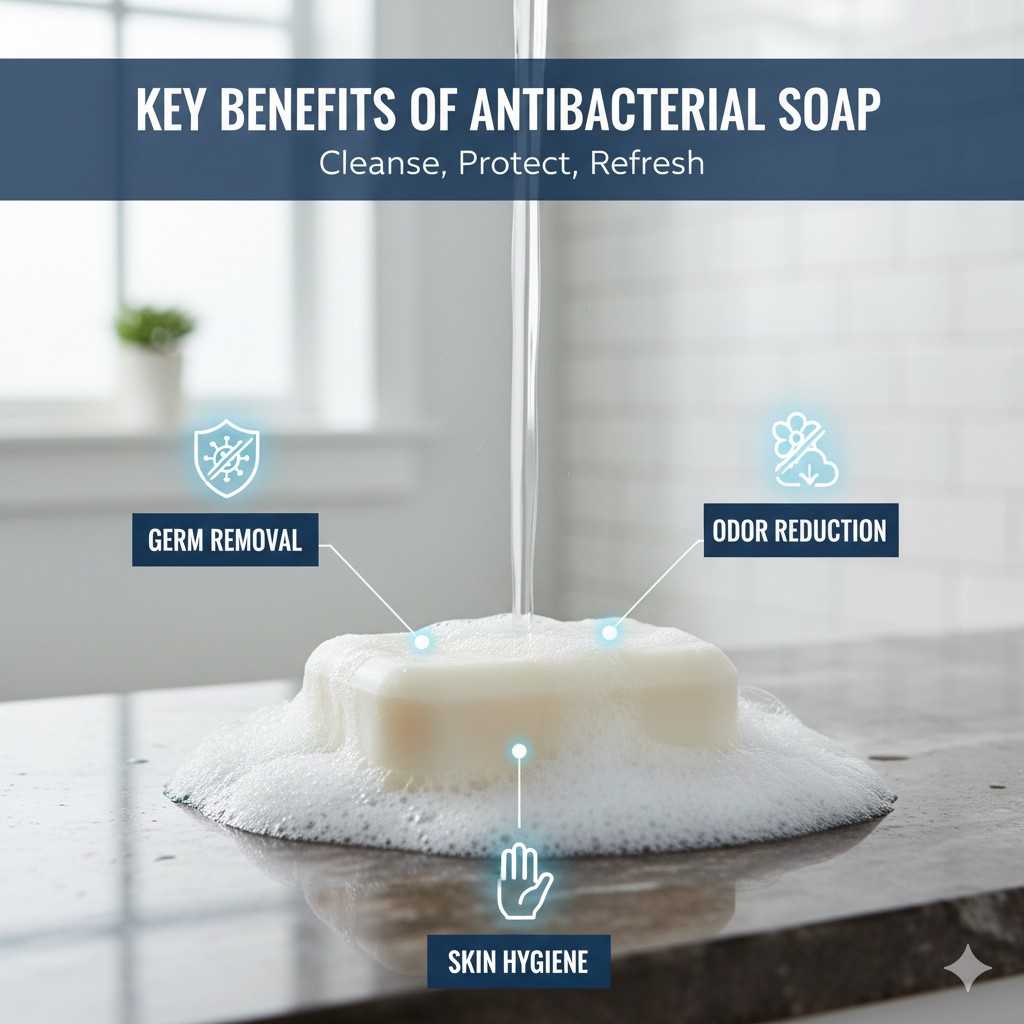
Key Benefits of Using a Bar of Antibacterial Soap
Using a bar of antibacterial soap comes with several noteworthy advantages:
1. Kills Germs and Bacteria
The most obvious benefit is its ability to kill or suppress bacteria that cause illness and odor. Regular handwashing with antibacterial soap can significantly lower the risk of transmitting infectious diseases.
2. Prevents Body Odor
Because odor is often caused by bacteria breaking down sweat, antibacterial soaps help keep the body smelling fresh throughout the day.
3. Supports Skin Health
Many antibacterial soaps now include soothing ingredients like chamomile, aloe vera, and vitamin E. These additions help nourish the skin while maintaining cleanliness.
4. Ideal for Certain Skin Conditions
A bar of antibacterial soap can be beneficial for people prone to acne, folliculitis, or fungal infections. The antibacterial and antiseptic properties can help manage these issues effectively when used properly.
5. Perfect for Daily Use
Unlike harsh disinfectants, a mild antibacterial soap bar can be safely used daily by most individuals, offering both cleanliness and comfort.
When Should You Use a Bar of Antibacterial Soap?
While it can be used daily, certain situations especially call for the use of a bar of antibacterial soap:
- After returning home from crowded places
- Before eating or preparing food
- After touching animals or handling garbage
- When caring for someone who is sick
- During or after workouts to remove sweat and bacteria
Using antibacterial soap at these times helps minimize the risk of spreading germs and ensures optimal protection for you and your family.
How to Properly Use a Bar of Antibacterial Soap
To make the most of your bar of antibacterial soap, proper washing technique is essential.
- Wet your hands or body with clean, running water.
- Rub the soap between your palms or on a washcloth until it forms a rich lather.
- Scrub thoroughly for at least 20 seconds, covering all areas, including between fingers, under nails, and wrists.
- Rinse well with clean water to remove all traces of soap.
- Dry completely using a clean towel to avoid moisture that can attract bacteria.
Additionally, always store your soap in a well-drained soap dish to prevent bacterial growth on its surface.
Potential Drawbacks and Precautions
While a bar of antibacterial soap offers many benefits, there are a few considerations to keep in mind. Overusing antibacterial products may strip away the skin’s natural oils, leading to dryness or irritation. Some people may also develop sensitivity to synthetic antibacterial agents like triclosan.
To minimize such risks, it’s best to choose soaps that use natural antibacterial ingredients, such as neem, turmeric, or essential oils. Furthermore, healthcare professionals suggest that regular soap and water are often just as effective for general cleaning when used properly. Therefore, it’s wise to balance antibacterial soap use with ordinary cleansing practices to maintain healthy skin.
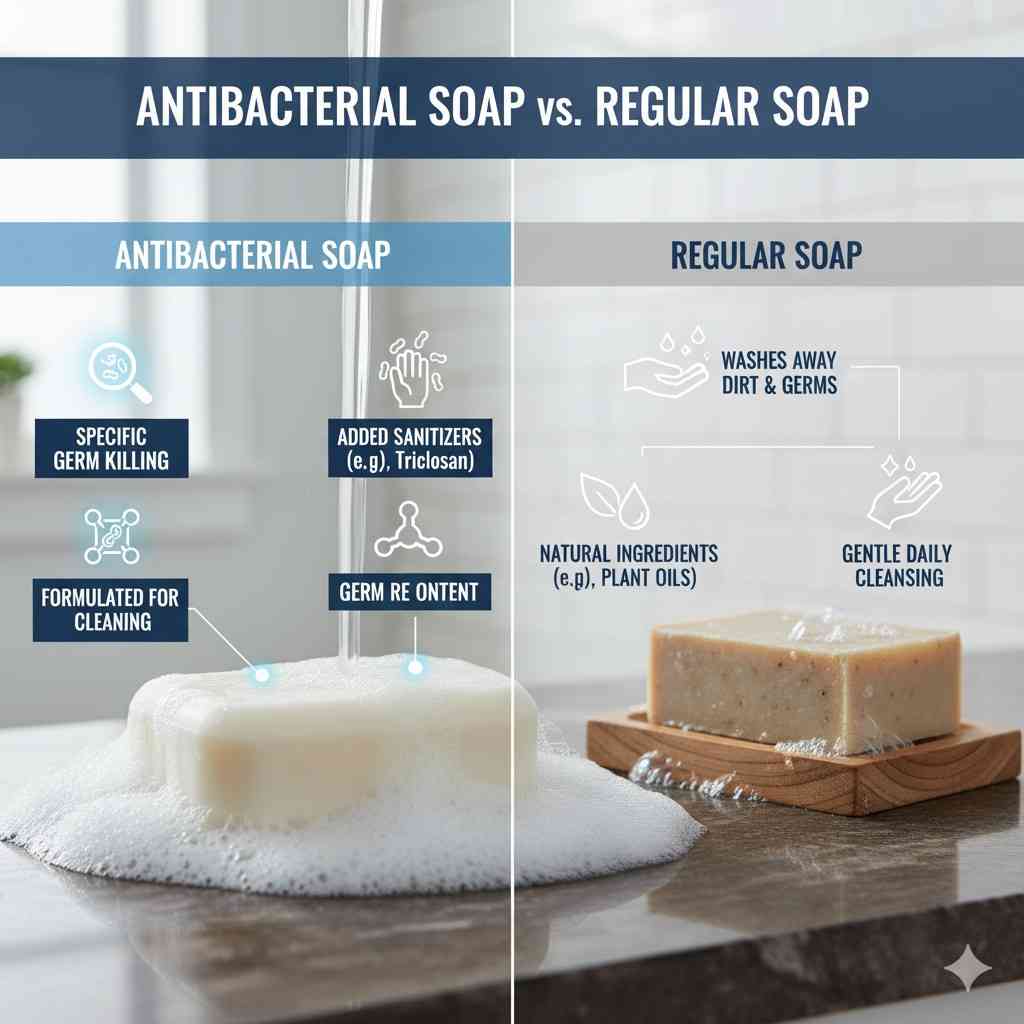
Antibacterial Soap vs. Regular Soap
Although both types of soap clean the skin, there are distinct differences between a bar of antibacterial soap and a regular soap bar. Regular soap helps remove dirt and microbes through mechanical action, while antibacterial soap goes a step further by killing certain bacteria. However, research shows that for everyday use, both can be equally effective in maintaining hygiene, provided that handwashing is done correctly and for sufficient time.
The key difference lies in purpose. If you’re in an environment where exposure to bacteria is high, such as a clinic or gym, an antibacterial soap may offer extra protection. For general household use, a regular moisturizing soap may suffice.
Choosing the Right Bar of Antibacterial Soap
When selecting the best bar of antibacterial soap, consider the following factors:
- Ingredients: Look for gentle, skin-friendly antibacterial agents.
- Skin Type: Choose moisturizing options if you have dry or sensitive skin.
- Fragrance: Opt for mild or fragrance-free soaps to avoid irritation.
- Brand Reputation: Go with trusted brands that are dermatologically tested.
Always read labels carefully to ensure the soap matches your needs and preferences.
Frequently Asked Questions (FAQ)
1. Is a bar of antibacterial soap safe for daily use?
Yes, most antibacterial soaps are safe for everyday use. However, choose mild formulations and avoid harsh chemicals if you have sensitive skin.
2. Can antibacterial soap prevent all infections?
No, while a bar of antibacterial soap helps reduce bacteria, it doesn’t protect against viruses or all pathogens. Proper hygiene and other preventive measures are still necessary.
3. Is it better than liquid antibacterial soap?
Both are effective. A bar of antibacterial soap is more eco-friendly and economical, while liquid soaps are often preferred for convenience in public areas.
4. Can I use antibacterial soap on my face?
Some gentle antibacterial soaps can be used on the face, but it’s important to check the label. Harsh varieties may dry out facial skin.
5. How should I store my antibacterial soap bar?
Keep it in a dry, ventilated soap dish after each use to prevent bacterial buildup and make it last longer.
Final Thoughts
A bar of antibacterial soap is more than just a cleansing product — it’s a reliable ally in maintaining good hygiene and overall skin health. When used correctly and moderately, it can help reduce bacteria, prevent infections, and leave your skin feeling fresh and clean. However, balance is key. Combine it with proper hygiene habits, a healthy diet, and moisturizing care to keep your skin both clean and healthy every day.
