


Body odor can be a significant source of social anxiety and discomfort. Many people struggle with this persistent issue. While sweating is completely natural, the resulting smell is not always welcome.
Understanding the root cause is the first step toward a solution. The smell doesn’t actually come from the sweat itself. Bacteria on your skin’s surface are the real culprits. They consume the sweat and produce the foul-smelling compounds.
This article explores the role of antibacterial soap for body odor. We will examine how it works and whether it’s the right choice. Our goal is to provide a comprehensive, fact-based resource.
How Body Odor Works: The Role of Sweat and Bacteria
The human body has two primary types of sweat glands. Eccrine glands are located all over your skin. They produce a salty, watery sweat that helps regulate temperature. This sweat typically does not smell when it first appears.
Apocrine glands are different. These are found in areas like the underarms and groin. They develop after puberty. Apocrine sweat is thicker and contains proteins and fats. It is odorless until it meets skin bacteria.
Skin bacteria love the apocrine sweat. They break it down in a process called microbial degradation. This process creates the volatile compounds we recognize as B.O.
Each person’s unique blend of bacteria affects their specific scent. Hygiene practices and diet also play major roles.
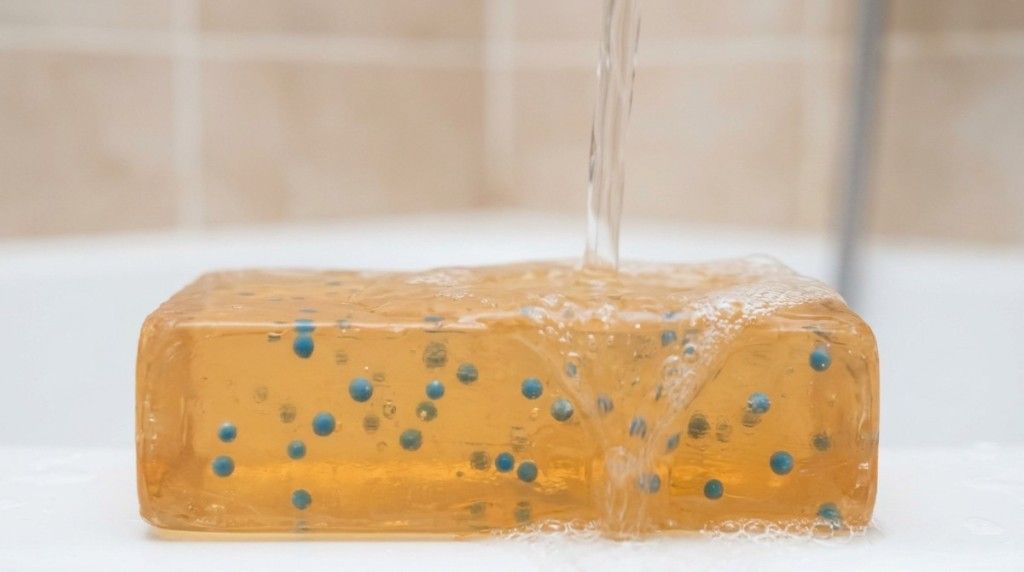
The Role of Antibacterial Soap for Body Odor
Regular soap cleanses by removing surface dirt, oil, and sweat. This is the foundation of good hygiene. Regular bathing reduces the overall bacterial population.
Antibacterial soap for body odor goes a step further. These products contain specific active ingredients. These ingredients can either kill bacteria or stop them from reproducing.
How Antibacterial Ingredients Work
Active agents targets the cell membrane or enzymes of bacteria. They disrupt critical functions. Common ingredients include triclosan (in older products), benzalkonium chloride, or benzethonium chloride.
Some soaps use more natural antibacterial agents, which is a growing trend. Plant-derived oils like tea tree, peppermint, or eucalyptus possess natural properties.
When you use an antibacterial soap for body odor, you directly tackle the source of the smell. You reduce the number of bacteria that feed on apocrine sweat.
The Advantages of Antibacterial Soap for Body Odor
There are several compelling reasons people choose antibacterial soap for body odor.
- Directly Combats the Problem: Regular soap might just wash away the existing odor. Antibacterial soap works proactively to prevent it from forming by eliminating the odor-causing agents.
- Extended Freshness: Many users find that the deodorizing effect lasts longer. This is particularly noticeable compared to standard hygiene bars.
- Addresses Severe Cases: For individuals with bromhidrosis, regular washing is often insufficient. Antibacterial soap for body odor provides more robust control.
- Boosted Confidence: Feeling clean and smelling good is linked to confidence. Knowing you are better protected against B.O. can alleviate social stress.
For these reasons, these products remain popular for those seeking extra-strength protection.
Concerns About Using Antibacterial Soap for Body Odor
Despite their benefits, these soaps are not without controversy. There are important considerations before switching.
Impact on the Skin’s Microbiome
The skin is home to trillions of bacteria, forming a crucial microbiome. Not all of these bacteria are “bad.” Some protect the skin from harmful pathogens.
A major concern is that antibacterial soap for body odor can kill both good and bad bacteria. This indiscriminate action can disrupt the natural balance. A disrupted microbiome can lead to skin problems.
Furthermore, some active ingredients can be quite harsh. They might cause dryness, irritation, or contact dermatitis. This is especially true for those with sensitive skin.
Bacterial Resistance
The widespread use of antibacterial products is a global concern. A major worry is that bacteria could become resistant. The FDA raised this issue in 2016. This led to a ban on 19 specific antibacterial agents in consumer wash products.
Because of this, current over-the-counter soaps must use ingredients deemed safe and effective.
Alternative and Natural Approaches to Body Odor
Antibacterial soap for body odor is not the only option. Many people find success with regular hygiene and lifestyle changes.
- Effective Regular Washing: Use a gentle antibacterial soap and wash thoroughly daily. Focus on the underarms and groin. A washcloth can provide mild exfoliation.
- Deodorants vs. Antiperspirants: Understand the difference. Deodorants mask or neutralize odor. Antiperspirants contain aluminum-based compounds to temporarily block sweat pores. Some products provide both functions.
- Choose Breathable Fabrics: Clothing matters a great deal. Natural fibers like cotton or wool allow your skin to breathe. Synthetic materials can trap sweat against your skin, encouraging bacterial growth.
- Dietary Adjustments: What you eat affects your scent. Sulfur-rich foods (garlic, onions, broccoli) can alter body odor. Consider tracking your diet.
These strategies should be the foundation of any odor-control routine. They are often safer for the skin than potent antimicrobials.
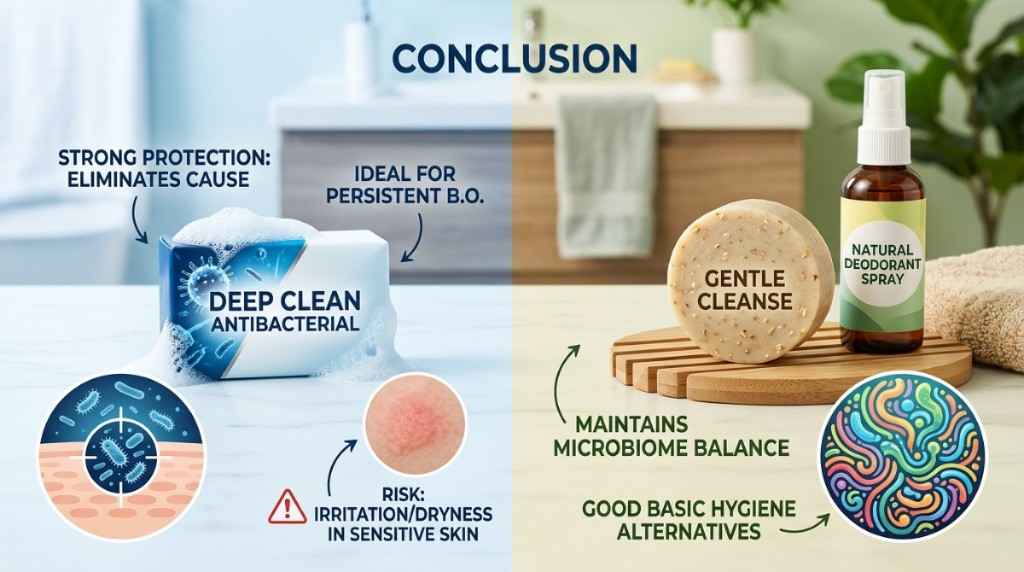
A Balanced Conclusion on Antibacterial Soap for Body Odor
Using antibacterial soap for body odor can be highly effective. It offers strong protection by eliminating the root bacterial cause. For individuals with persistent or severe B.O., it can provide a meaningful solution.
However, a balanced perspective is necessary. These soaps can disrupt the skin’s microbiome. They might cause dryness or irritation in sensitive individuals. Natural alternatives and good basic hygiene can also produce excellent results.
Ultimately, the choice is yours. If regular soap is ineffective, consider a targeted approach. However, if you have sensitive skin, proceed with caution. The best strategy is often a combination of approaches tailored to your unique needs.
Frequently Asked Questions (FAQ)
Can antibacterial soap damage the skin’s microbiome?
Yes, antibacterial soap for body odor can potentially disrupt the natural microbiome. It can kill “good” bacteria along with the “bad.” This may cause dryness, irritation, or even make the skin more susceptible to other issues.
Are natural alternatives like tea tree oil effective?
Yes, tea tree oil and other plant-based ingredients like lavender or peppermint have natural antibacterial and antimicrobial properties. They can be a gentler alternative for some. Many effective natural deodorants use these essential oils.
Should I use antibacterial soap every day for body odor?
Daily use might be too harsh for some people. It can lead to excessive dryness. Consider using antibacterial soap for body odor on specific problem areas like underarms. Alternatively, use it a few times a week. Monitor your skin’s reaction carefully.
What is the most common cause of sudden body odor?
Sudden changes in body odor are typically caused by diet (like eating more garlic), stress, hormone fluctuations, or a new medication. Medical conditions like kidney disease, liver disease, or trimethylaminuria are rarer causes.
What is the difference between a deodorant and an antiperspirant?
Deodorants are designed to mask or neutralize the smell of sweat. They use antibacterial ingredients or fragrances. Antiperspirants, on the other hand, contain aluminum compounds. These compounds temporarily block sweat pores to reduce the actual amount of perspiration.
Can I use antibacterial soap on my face?
No. This soap is usually too harsh for facial skin. It may cause severe dryness or irritation. Use a gentle facial cleanser instead.
Does antibacterial soap stop me from sweating?
No. It only kills the bacteria that cause odor. You need an antiperspirant to actually reduce sweat production.
How long should I leave the soap on my skin?
Let the lather sit for 30 to 60 seconds. This gives the active ingredients time to work effectively. Rinse thoroughly afterward.
Does antibacterial soap expire?
Yes. Active ingredients lose their potency over time. Always check the expiration date printed on the packaging.
Is it safe for children to use?
Use caution with kids. Their skin is thinner and more sensitive. Always consult a pediatrician before starting regular use.
Is bar soap or liquid soap more effective?
Both formats can be equally effective. Choose the one you prefer using. Just ensure it contains proven antibacterial agents.
Can using it lead to more body odor later?
Possibly. If it kills “good” bacteria, “bad” bacteria might grow back faster. Use it only on problem areas to avoid this.