

Venturing into the deep wilderness requires careful planning. Modern explorers often carry essential electronic devices. Smartphones, GPS units, and cameras need constant energy. Finding a reliable power source remains a challenge. However, the best solar power bank for backpacking changes everything. This device harnesses the sun to keep the gear running. It offers freedom from traditional wall outlets. Lightweight and durable designs are now common. This guide explores the top options for 2026. Stay connected even in the most remote locations.
The Evolution of Solar Technology
Solar technology has improved significantly in recent years. Older models were often heavy and very inefficient. They took days to charge a single phone. Today, monocrystalline cells offer much higher conversion rates. This means more power from smaller surface areas. Modern units are also much more weather-resistant. They can handle rain, dust, and accidental drops. Consequently, hikers now trust solar power for long trips. The best solar power bank for backpacking is a game-changer. It provides sustainable energy for every mile traveled.
Why Every Backpacker Needs Solar Power
Traditional power banks eventually run out of juice. On multi-day treks, this creates a major problem.
- Infinite Energy: As long as the sun shines, you have power.
- Emergency Safety: Keep your SOS devices charged at all times.
- Weight Management: Avoid carrying multiple heavy, standard battery packs.
- Eco-Friendly: Use renewable energy to reduce your carbon footprint.
- Versatility: Charge phones, headlamps, and smartwatches simultaneously.
- Peace of Mind: Never worry about a dead GPS again.
- Off-Grid Independence: Travel further away from towns and resupply points.
- Durability: Built to withstand the rigors of the trail.
- Dual Charging: Most units also charge via USB before you leave.
- Lightweight Designs: Newest models weigh less than a pound.
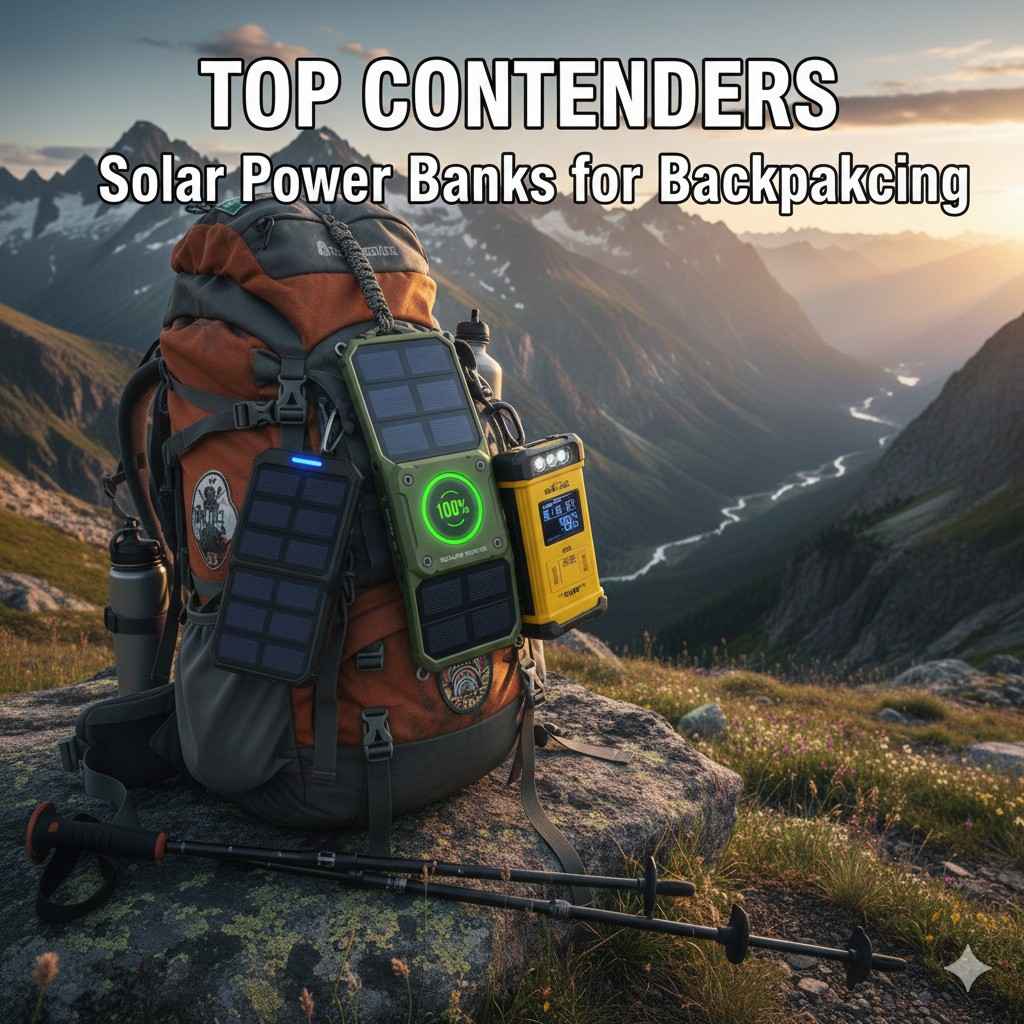
Top Contenders for the Best Solar Power Bank for Backpacking
Several models stand out for their performance in 2026.
1. BigBlue SolarPowa 28: The Efficient Workhorse
This model is widely considered a top choice. It features high-efficiency panels that fold for easy storage. The unit provides three USB ports for multiple devices. Its rugged fabric exterior protects the sensitive internal cells. Furthermore, it includes a built-in ammeter for monitoring. This helps you find the best angle for sunlight. For many, it is the best solar power bank for backpacking available. It balances speed, weight, and price effectively.
2. Goal Zero Nomad 10 + Venture 35: The Rugged Duo
Goal Zero is famous for its durable outdoor gear. The Venture 35 power bank is completely waterproof. When paired with the Nomad 10 panel, it shines. This modular system allows for great flexibility on trails. You can hang the panel on your pack easily. Meanwhile, the battery stays safe inside your pocket. It is built for extreme environments and rough handling. Therefore, it remains a favorite among serious through-hikers.
3. Blavor 20,000mAh Solar Charger: The All-in-One
If you prefer an integrated design, Blavor is excellent. This unit combines a large battery with solar panels. It features wireless charging for compatible modern smartphones. Additionally, it includes a very bright built-in flashlight. The compass and carabiner make it trail-ready instantly. While smaller panels charge slower, the battery capacity is huge. It serves as a reliable backup for shorter trips.
4. Anker Solix PS30: The High-Speed Choice
Anker is a leader in charging technology worldwide. The Solix PS30 offers incredible charging speeds for hikers. It utilizes advanced USB-C Power Delivery technology. This can charge a phone nearly as fast as a wall. The panels are thin but incredibly strong and resilient. It folds down to the size of a notebook. Many consider it the best solar power bank for backpacking for tech-heavy users.
5. BioLite SolarPanel 5+: The Ultralight Professional
BioLite focuses on clever engineering for minimal weight. The 5+ model includes an integrated 3,200 mAh battery. It features a unique sundial for perfect alignment. This ensures you capture every possible ray of light. The ultra-slim profile fits into any side pocket. It is ideal for those counting every single ounce. Minimalist backpackers often choose this for its smart design.
Key Features to Consider Before Buying
Selecting the right unit requires understanding your specific needs.
- Battery Capacity (mAh): Higher numbers mean more stored energy. A 10,000 mAh unit charges most phones twice.
- Solar Panel Wattage: Higher wattage means faster charging in the sun. Look for at least 10W to 20W.
- Weight and Portability: Your gear must be easy to carry. Aim for units under 1.5 pounds total.
- Durability (IP Rating): Look for dustproof and waterproof certifications. IP67 is excellent for outdoor use.
- Number of Ports: Ensure you can charge all your devices. USB-C is becoming the new standard.
- Charging Speed: Check if the unit supports “Fast Charge” protocols. This saves time during short breaks.
- Mounting Options: Carabiner loops allow for charging while you walk. This is vital for moving hikers.
- Integrated vs. Modular: Integrated units are simpler but have smaller panels. Modular sets offer more power.
- Warranty: A solid warranty protects your investment from defects.
- Price: Budget options exist, but quality often costs more.
Maximizing Your Solar Charging Efficiency
Getting the most from your device takes some skill.
- Angling is Everything: Keep panels perpendicular to the sun’s rays. Even a slight tilt reduces efficiency.
- Avoid Shading: Even a small shadow can stop charging. Ensure the entire panel surface is clear.
- Keep Panels Clean: Dust and mud block valuable solar photons. Wipe your panels daily with a cloth.
- Watch the Temperature: Batteries can degrade if they get too hot. Keep the battery portion in the shade.
- Peak Sun Hours: Midday sun is the most powerful for charging. Plan long breaks during these hours.
- Charge the Bank, Not the Phone: Charge your battery pack during the day. Use the pack to charge phones at night.
- Use Quality Cables: Cheap cables can slow down the energy transfer. Always use the original or certified cables.
- Cold Weather Care: Batteries lose efficiency in freezing temperatures. Sleep with your power bank to keep it warm.
- Strategic Placement: Hang panels on the back of your backpack. This allows for passive charging while hiking.
- Update Your Firmware: Smart power banks sometimes need software updates. Check the manufacturer’s website regularly.
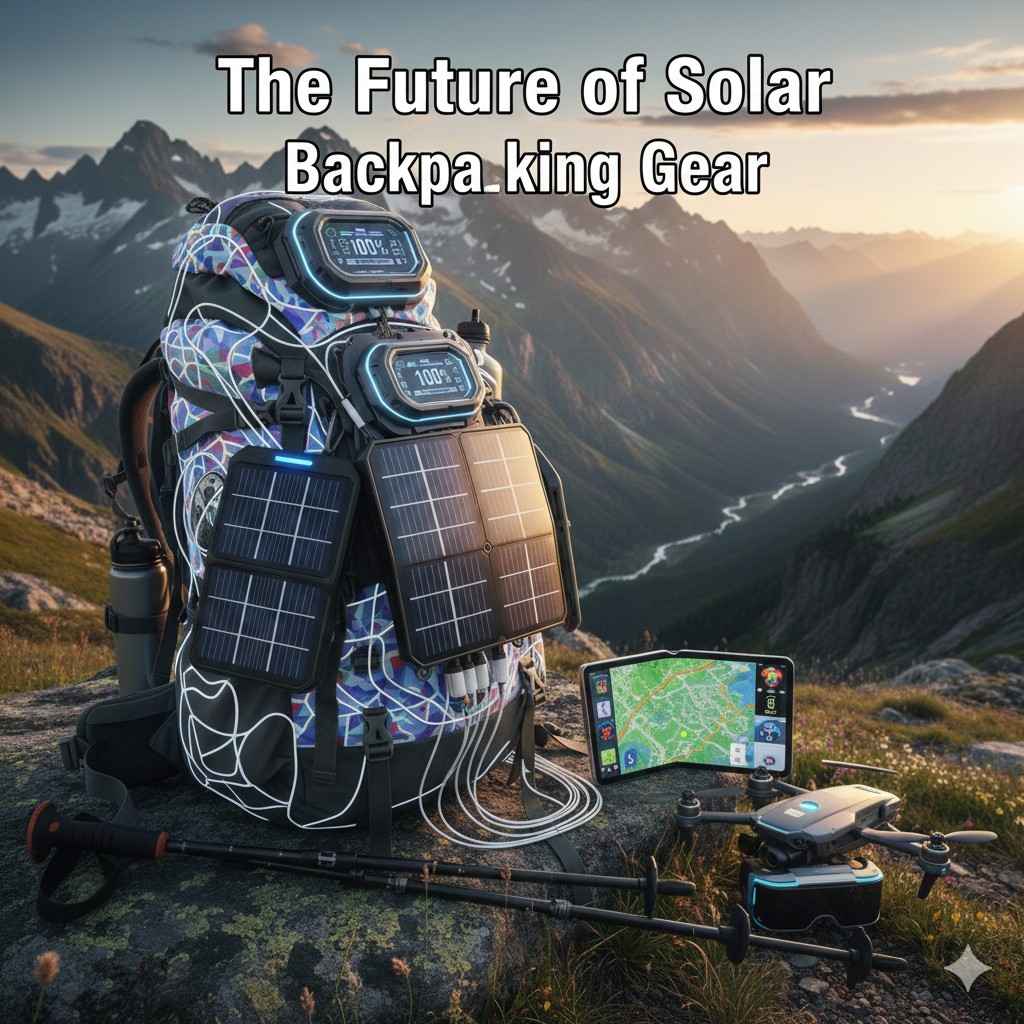
The Future of Solar Backpacking Gear
The industry continues to innovate at a rapid pace. We are seeing flexible “thin-film” solar cells emerge. These can be integrated directly into backpack fabrics. Furthermore, new battery chemistries like LiFePO4 offer longer lifespans. They are also much safer in extreme heat. Integrated artificial intelligence may soon optimize power distribution. The best solar power bank for backpacking will only get better. Expect lighter, faster, and smarter devices very soon.
Safety Tips for Using Lithium Batteries Outdoors
High-capacity batteries require respectful handling for your safety.
- Avoid Punctures: Never use a damaged or swollen battery pack. This can lead to dangerous fires.
- Prevent Overheating: Do not leave batteries on hot dashboards. Excessive heat causes permanent damage to cells.
- Water Protection: Even “waterproof” units have limits on submersion. Keep ports closed when not in use.
- Proper Disposal: Never throw old batteries in the trash. Find a certified recycling center for electronics.
- Flight Regulations: Check airline rules for carrying large power banks. Most must be in carry-on luggage.
- Avoid Short Circuits: Keep metal objects away from the charging ports. This prevents accidental sparks or surges.
- Initial Charge: Always charge your unit via a wall outlet first. Solar is meant for topping off in the wild.
- Monitor Charging: Disconnect devices once they reach a full charge. This helps preserve the bank’s total capacity.
- Use Original Chargers: Stick to the recommended wall adapters for safety.
- Storage: Store batteries at roughly 50% charge when not hiking. This maintains the health of the chemicals.
Common Myths About Solar Power Banks
Let’s clear up some frequent misconceptions about these devices.
- Myth: They charge as fast as a wall. Fact: Solar is much slower than grid power.
- Myth: They work perfectly on cloudy days. Fact: Clouds significantly reduce the energy output.
- Myth: The solar panel is just for show. Fact: Modern high-quality panels provide real, usable power.
- Myth: They are too heavy for backpacking—fact: Many ultralight options now weigh very little.
- Myth: All solar banks are waterproof. Fact: Always check the specific IP rating before use.
- Myth: You can’t charge while walking. Fact: Most can be strapped to your backpack easily.
- Myth: Solar panels break easily. Fact: Ruggedized panels are built for harsh trail conditions.
- Myth: They only charge smartphones. Fact: They can power tablets, GPS, and smartwatches.
- Myth: You don’t need a battery pack. Fact: The battery stores energy for use at night.
- Myth: They are bad for your phone. Fact: Built-in controllers protect your phone’s delicate electronics.
Conclusion
Finding the best solar power bank for backpacking requires research. However, the benefits for modern hikers are undeniable. You gain independence and security in the wilderness. No longer will you fear a dead navigation device. Sustainable energy is now a reliable reality for everyone. Choose a model that fits your weight goals. Prioritize durability and high-efficiency solar cells always. Your next adventure will be powered by the sun. Embrace the future of outdoor exploration today.=
Frequently Asked Questions (FAQs)
Q1: How long does it take to solar charge a power bank?
A1: It typically takes 15-50 hours of direct sunlight.
Q2: Can I use it in the rain?
A2: Most are water-resistant, but check the IP rating.
Q3: Will it charge my laptop?
A3: Most small units won’t. You need a high-wattage model.
Q4: Is it okay to leave it in the sun all day?
A4: Yes, but keep the battery part shaded if possible.
Q5: What is the best mAh for a 5-day trip?
A5: At least 10,000 to 20,000 mAh is usually recommended.
Q6: Does solar work through a tent window?
A6: Yes, but glass or plastic reduces the charging speed.
Q7: Can I take a solar power bank on an airplane?
A7: Yes, if it is under 100Wh (usually 27,000mAh).
Q8: What happens if the panels get scratched?
A8: Small scratches are okay, but deep ones reduce efficiency.
Q9: Do I need a special cable for solar?
A9: No, standard high-quality USB cables work perfectly fine.
Q10: Can I charge two phones at once?
A10: Yes, if the power bank has multiple output ports.
Here is a unique image to accompany the article: