



The best halogen headlight bulb remains the most common choice for drivers worldwide. Most vehicles on the road today still rely on this classic technology. It provides a reliable light source for nighttime driving and poor weather.
A car halogen light offers a warm, yellow glow that cuts through fog effectively. This article explores why this technology persists in a world of LEDs. We will cover maintenance, benefits, and how to choose the best replacements.
Understanding the Halogen Headlight Bulb
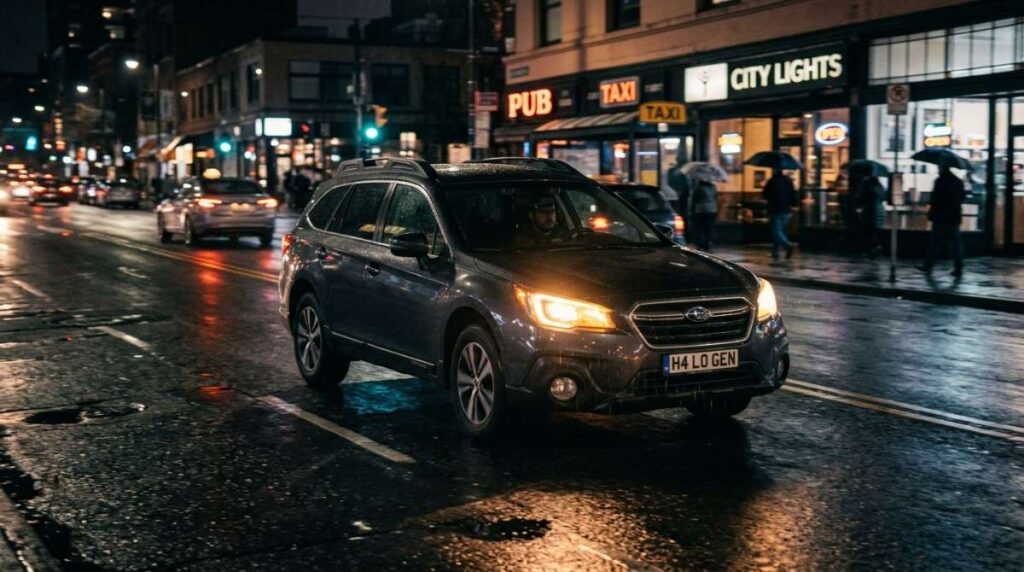
To appreciate this technology, we must look at how it actually works. A halogen’s headlight bulb contains a tungsten filament inside a small glass envelope. This envelope is filled with a specific mixture of halogen gases.
The Chemical Cycle
When electricity flows, the filament heats up and glows brightly. The halogen gas helps redeposit tungsten back onto the filament. Consequently, a car’s halogen light lasts much longer than older vacuum bulbs. This cycle prevents the glass from turning black over time.
Color Temperature Basics
Most drivers recognize the distinct look of a halogen’s headlight bulb. It typically produces a color temperature around 3000K to 3500K. This creates a soft, yellowish light that is easy on the eyes. Many believe a car’s halogen light is superior in heavy rain.
Advantages of Using a Car Halogen Light
Despite newer options, the halogen’s headlight bulb offers several unique benefits. It is often the most practical choice for many budget-conscious car owners.
- Low Initial Cost: These bulbs are very inexpensive to manufacture and buy.
- Universal Availability: You can find a halogen light at any local auto shop.
- Easy Installation: Most drivers can replace a halogen’s headlight bulb in minutes.
- Reliable Performance: They perform consistently in both extreme heat and freezing cold.
How to Maintain Your Halogen Headlight Bulb
Proper care ensures your car’s halogen light operates at peak efficiency. Neglecting your lights can lead to dimness or sudden failure on dark roads.
Never Touch the Glass
You must never touch the glass of a halogen’s headlight bulb with bare fingers. Skin oils create “hot spots” on the quartz surface when heated. These spots cause the car’s halogen light to shatter or burn out prematurely. Always wear clean gloves or use a paper towel during installation.
Check for Wiring Corrosion
Over time, the electrical socket for your headlight bulb may corrode. Moisture enters the housing and creates resistance in the wires. This makes your car’s halogen light appear dimmer than it should be. Clean the terminals regularly to maintain a strong electrical connection.
Comparing Different Car Halogen Light Options
Not every halogen’s headlight bulb is built the same way. Manufacturers offer various “trim levels” to suit different driving needs.
Standard Replacement Bulbs
A standard halogen’s headlight bulb matches the original equipment from the factory. It offers a balanced lifespan and decent brightness for daily commuting. Most people choose this car’s halogen light for its low price point.
High-Output Performance Bulbs
Some brands offer a “silver” or “ultra” halogen’s headlight bulb. These use specialized gas mixtures to produce a whiter, brighter beam. While they improve visibility, this car halogen light often has a shorter lifespan. The thinner filament burns hotter to produce more light.
Signs Your Halogen Headlight Bulb is Failing
Knowing when to replace your car’s halogen light prevents being stranded in the dark. Bulbs rarely fail without giving a few warning signs first.
Flickering or Intermittent Power
If your halogen headlight bulb flickers, the filament may be fractured. Vibration from the road can cause the broken ends to touch briefly. Eventually, the car’s halogen light will fail completely and leave you in the dark.
Significant Dimming
A very old halogen’s headlight bulb will lose its internal pressure. The light output drops as the tungsten filament thins out significantly. If your car’s halogen light looks orange rather than yellow, buy a replacement.
The Environmental Impact of Car Halogen Light Use
Modern manufacturing has made the halogen headlight bulb more eco-friendly. However, they are less efficient than LED or HID alternatives.
Energy Consumption
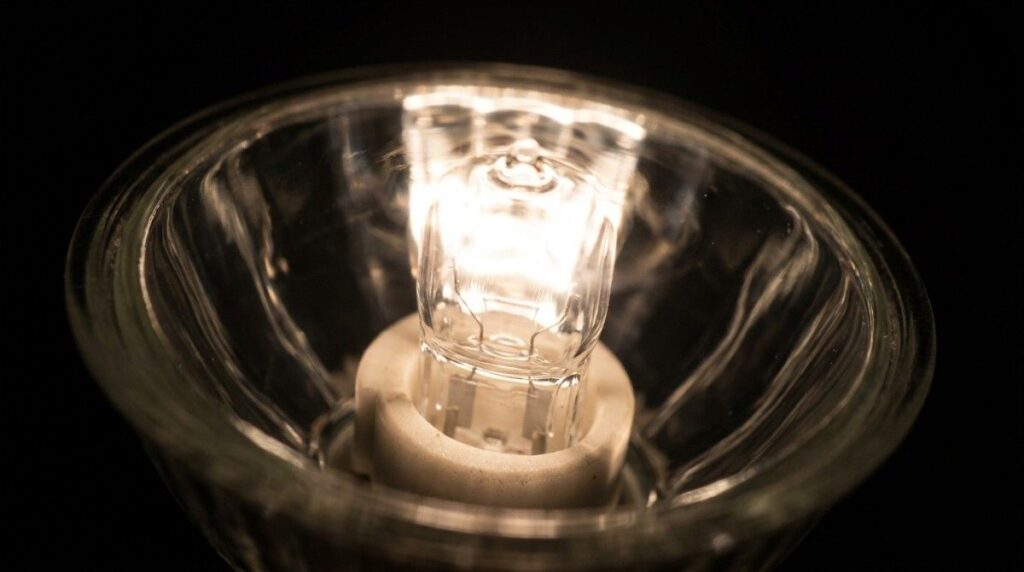
A standard car’s halogen light converts a lot of energy into heat. Only a small percentage of power becomes actual visible light. This inefficiency is why a halogen’s headlight bulb gets extremely hot during use.
Recycling and Disposal
Most components of a car’s halogen light are made of glass and metal. These materials are generally easier to recycle than complex electronic circuit boards. Check your local regulations before tossing a halogen headlight bulb in the trash.
Upgrading Your Car Halogen Light Safely
Many drivers want to improve their halogen headlight bulb without changing the whole housing. You can find “Xenon-filled” halogen bulbs that mimic luxury car lighting.
Blue-Coated Bulbs
Some versions of the car’s halogen light feature a blue tint on the glass. This coating filters out yellow light to create a whiter appearance. However, a coated halogen’s headlight bulb may actually put less light on the road.
Choosing the Correct Fitment
Every vehicle uses a specific size for its halogen’s headlight bulb. Common sizes include H1, H4, H7, and 9006. Consult your owner’s manual before purchasing a new car’s halogen light for your vehicle.
Future Trends for the Halogen Headlight Bulb
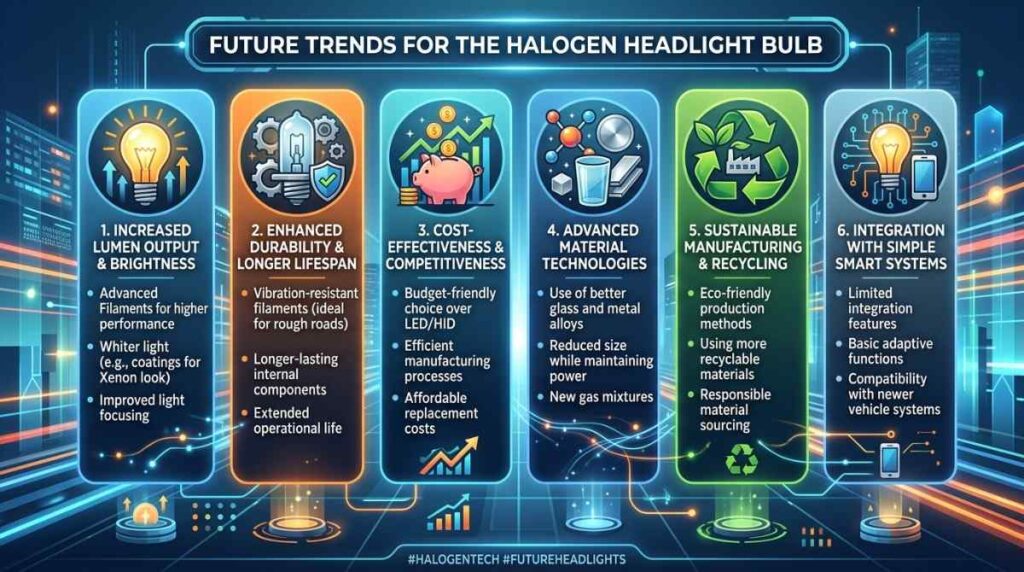
While LEDs are taking over, the car’s halogen light is not dead yet. Manufacturers continue to refine the technology for specific niche markets.
Improved Filament Geometry
Engineers are redesigning the internal structure of the halogen’s headlight bulb. Better filament placement creates a more focused beam pattern on the road. This makes a modern car’s halogen light safer than those from ten years ago.
Hybrid Lighting Solutions
Some budget cars use a halogen’s headlight bulb for high beams only. This allows for instant “flash-to-pass” capability without expensive LED drivers. The car’s halogen light remains a vital tool for automotive designers.
Frequently Asked Questions
Why did my halogen headlight bulb burn out so fast?
Vibration or touching the glass during installation are the main causes. Also, check your vehicle’s voltage regulator for any power surges.
Can I replace a car’s halogen light with an LED?
Yes, but you often need a conversion kit for proper fitment. Ensure the LED mimics the halogen’s headlight bulb filament position perfectly.
How often should I replace my bulbs?
It is wise to replace every car’s halogen light every two years. They dim over time even if they have not burned out.
Should I replace both bulbs at the same time?
Yes, always replace your halogen’s headlight bulb in pairs. If one fails, the other is likely very close to failing too.
The humble halogen headlight bulb provides reliable service for millions of drivers daily. By choosing a quality car’s halogen light, you ensure safety for your family. Regular checks and proper installation will keep your path bright for years.
