



The health tech world is rapidly evolving. Managing diabetes has long meant frequent—and painful—finger pricks. Now, a revolutionary solution is emerging: the blood glucose smartwatch.
This device promises a needle-free future with convenient, continuous monitoring. It could completely transform how diabetes is managed—comfortably and in real time.
🚨 The Need for Non-Invasive Solutions with Blood Glucose Smartwatches
Diabetes affects millions globally. Effective glucose monitoring is vital to long-term health.
Yet, traditional methods involve lancets, test strips, and daily discomfort. This discourages consistent tracking and lowers adherence. Patients want simpler, painless alternatives.
Non-invasive solutions like blood glucose smartwatches could bridge that gap and increase user compliance.
⌚ What Is a Blood Glucose Smartwatch?
A blood glucose smartwatch is a wearable that tracks blood sugar without breaking the skin.
It uses cutting-edge technologies to measure and display real-time glucose data. Readings appear directly on your wrist—and can even be shared with your healthcare team.
It’s smart, discreet, and powerful.
🔬 How Do They Work? Unpacking the Tech
Technology varies by brand, but most smartwatches rely on optical sensors or radio frequencies. Some detect how light reflects off your skin to estimate glucose. Others analyze sweat composition or use RF waves to monitor internal changes.
Accuracy is the goal, and innovation continues to refine each approach.
💡 Optical Sensors: A Closer Look
Optical sensors use spectroscopy to detect changes in light when it interacts with glucose molecules under the skin. These changes are interpreted by AI-powered algorithms to produce a glucose reading.
📡 Radio Frequency (RF) and Other Methods
RF-based models send radio waves through your skin. Glucose affects how these waves behave—and the watch picks up those shifts. Another method is sweat analysis, but it’s less reliable for now.
No matter the method, the goal is simple: non-invasive accuracy.
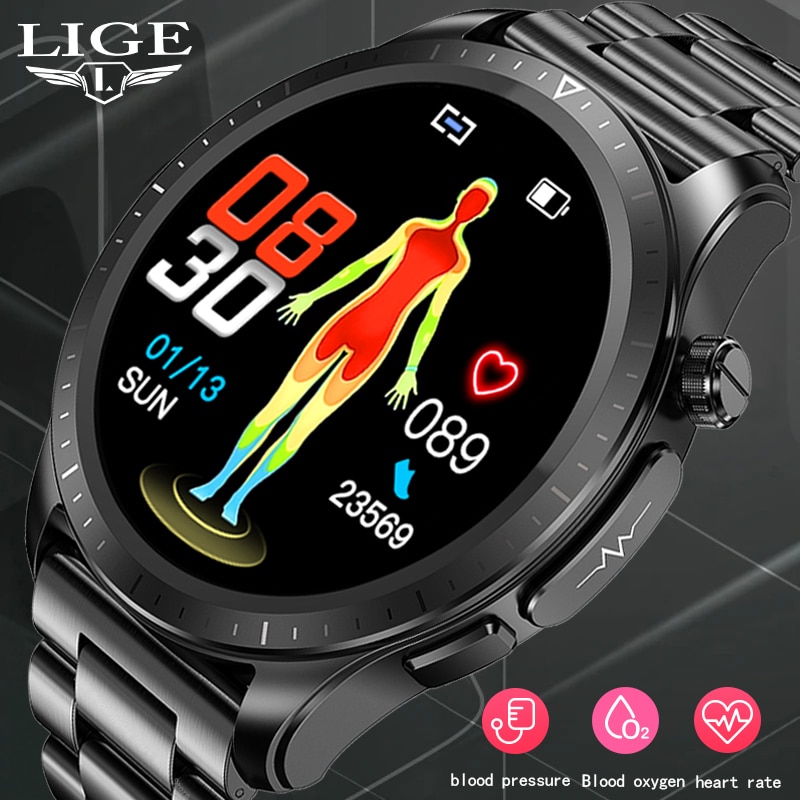
image credit: ligewatches.net
✅ Advantages of Blood Glucose Smartwatches
These smartwatches bring a world of benefits:
- No painful pricks
- 24/7 real-time monitoring
- Trend analysis over time
- Early alerts for highs/lows
- More comfort, less hassle
✨ Enhanced Convenience and Comfort
No need to carry testing supplies. Just glance at your wrist anytime, anywhere.
This ease promotes more frequent checks and better glucose control.
📊 Continuous Monitoring & Trend Analysis
Traditional tests give you snapshots. Smartwatches offer a continuous glucose stream, helping you spot patterns. You’ll see how meals, exercise, and sleep affect your sugar levels.
🚑 Timely Alerts and Proactive Care
Get instant notifications for high or low levels. Take action before symptoms worsen.
Your doctor can also use the data to tailor treatment plans effectively.
⚠️ Challenges and Future Prospects
While promising, blood glucose smartwatches face hurdles. The biggest challenge is accuracy—especially in diverse skin tones and hydration levels. Devices also need regulatory approval like FDA clearance.
Cost and public trust are additional barriers. Still, progress is steady and full of potential.
🔍 Ensuring Accuracy and Reliability
Biological differences can affect sensor performance. That’s why extensive clinical trials and rigorous validation are essential. Only then can users and doctors fully rely on the data.
🏛️ Regulatory Hurdles and Approvals
Medical smartwatches must meet stringent standards. Without FDA or CE approval, they’re unlikely to be adopted at scale. Validation ensures safety, trust, and market readiness.
🔮 The Road Ahead: Innovation and Integration
The future looks bright. Next-gen watches may link with insulin pumps to create closed-loop systems.
AI integration will offer deeper insights and personalized health advice. Expect smoother telemedicine experiences and total diabetes management from your wrist.
🛍️ Making an Informed Choice
Before buying, do your research. Choose a watch with clinical backing, positive user reviews, and professional recommendations. Remember: it’s a supplement, not a replacement for traditional care.
Always consult your doctor first.
🧬 Who Can Benefit Most from Blood Glucose Smartwatches?
While blood glucose smartwatches are designed primarily for individuals with diabetes, their applications extend further. People with pre-diabetes or those monitoring blood sugar for preventive health can also benefit. Fitness enthusiasts and biohackers are increasingly interested in glucose tracking to optimize workouts and meal timing. For older adults or those managing multiple conditions, these devices offer an easier, less invasive alternative to traditional testing. Caregivers can also monitor loved ones remotely when paired with mobile apps.
Furthermore, parents of diabetic children find reassurance in real-time alerts and continuous data. In essence, these smartwatches empower anyone seeking greater insight into their metabolic health. As technology becomes more affordable and accessible, their user base will likely expand. Early adopters are already showing strong interest, helping to shape a future where glucose awareness becomes mainstream—not just for managing illness, but also for preventing it. With more data at your fingertips, you’re better equipped to make smarter, healthier decisions every day.
🧠 Conclusion of blood glucose smartwatch:
Blood glucose smartwatches are changing the diabetes care game. They bring comfort, control, and confidence to everyday life. While challenges remain, the future is fast approaching. This innovation offers hope and freedom for millions. Say goodbye to finger pricks—and hello to smart, seamless care.
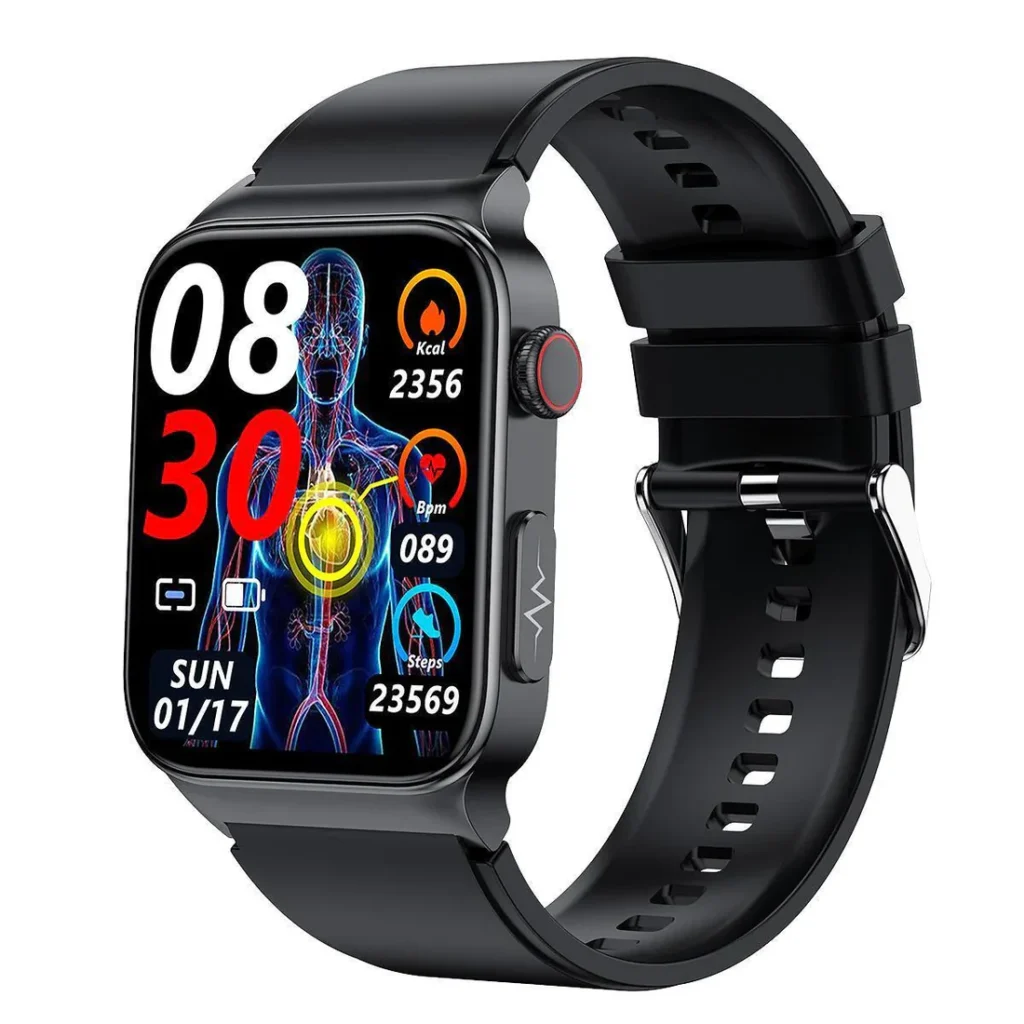
image credit: mobilityx.co.uk
📌 FAQ: Blood Glucose Smartwatches
Q1: What is a blood glucose smartwatch?
A wearable device that estimates blood glucose without pricking your skin.
Q2: How does it work?
It uses light, radio frequency, or sweat analysis to measure glucose trends.
Q3: Are they accurate?
Some are better than others. Look for clinical validation and regulatory approval.
Q4: Can it replace traditional testing?
Not yet. These watches are supplements, not replacements. Always consult your doctor.
Q5: What are the benefits?
Convenience, comfort, real-time tracking, and fewer disruptions in daily life.
Q6: Are there any approved devices on the market?
Few have full FDA approval. Many are in clinical trial or prototype stages.
Q7: What do they cost?
Prices vary widely based on features and brands—typically $150 to $500+.
Q8: Will doctors accept smartwatch readings?
Some do, especially if readings come from trusted devices. Always discuss with your doctor.
Q9: Can non-diabetics use them?
Yes. Some use them to track wellness. However, consult a healthcare provider first.
Q10: What should I consider before buying?
Look for clinical approval, accuracy, comfort, ease of use, and integration with your lifestyle.
