
When your external hard drive has Asian characters Mac users often face strange problems. Filenames may appear broken, unreadable, or corrupted. These problems usually happen because mac OS interprets character encoding differently than other operating systems. Understanding this mismatch is essential for smooth access. In this guide, you will learn why issues occur and how to fix them. By following proven solutions, you can access your files properly when your external hard drive has Asian characters Mac.
Why Encoding Causes Problems
What Is Character Encoding?
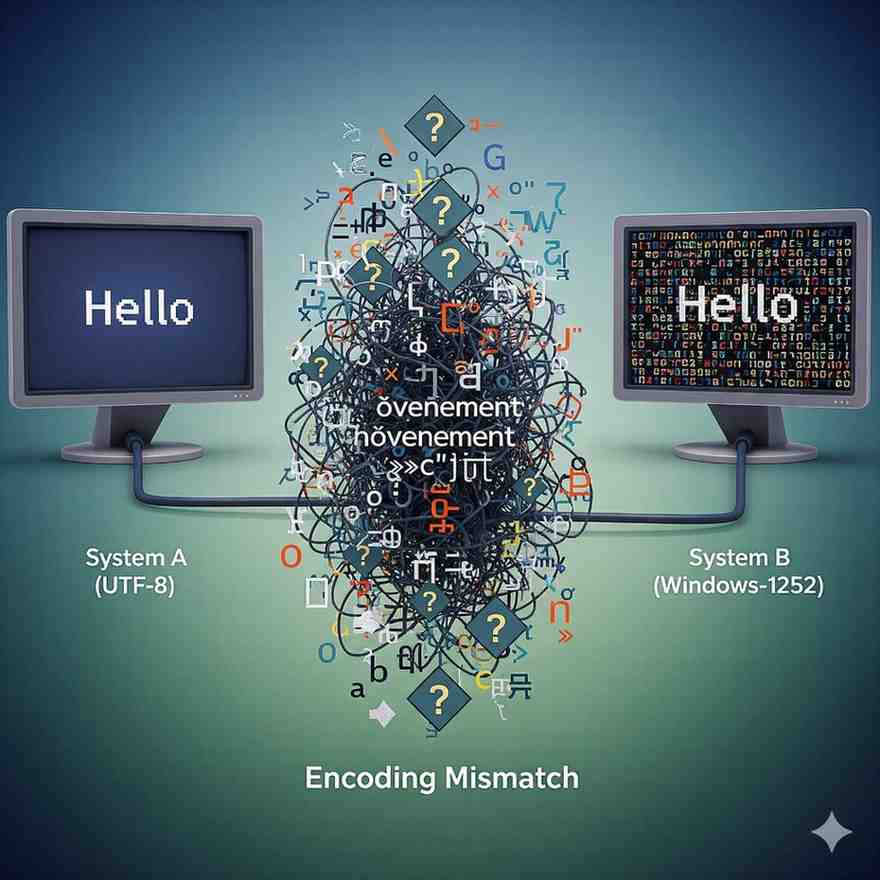
Character encoding converts binary data into readable text. For Asian languages like Japanese, Chinese, or Korean, encoding sets are extremely large. When your external hard drive has Asian characters Mac may not recognize these sets. Instead, filenames appear as symbols, question marks, or blank boxes.
How Encoding Differs Across Systems
mac OS mainly supports UTF-8 encoding, which covers nearly every global character. However, Windows often uses Shift-JIS or Big5 encodings. When your external hard drive has Asian characters Mac cannot always translate them. This mismatch creates unreadable filenames or even prevents mounting.
Common Issues Encountered
When your external hard drive has Asian characters Mac users usually encounter three types of problems:
1. Unreadable Filenames – Folder names show garbled symbols or empty boxes.
2. Mounting Failures – mac OS refuses to open or detect the drive.
3. Transfer Errors – File copying stops midway or fails with error messages.
These issues mainly result from misinterpreted encoding. Thankfully, several solutions exist.
Solutions to Access Files Successfully
1. Repair Using Disk Utility
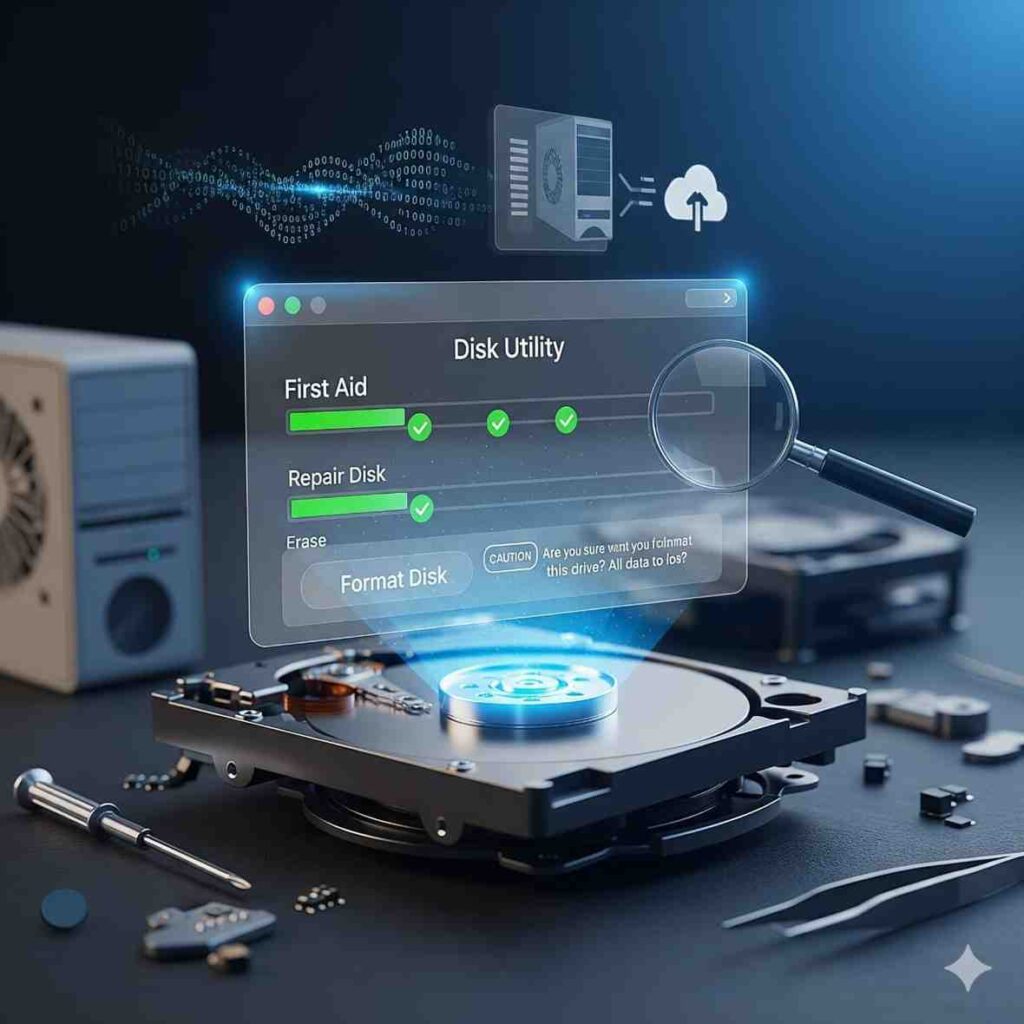
When your external hard drive has Asian characters Mac may not mount, first try repairing it using Disk Utility.
Steps:
1. Open Disk Utility (Applications → Utilities).
2. Select your external drive.
3. Click First Aid.
4. Choose Run.
This process checks and fixes minor errors. Afterward, try accessing your drive again.
2. Reformat the Drive (Careful: Erases Data)
If repair fails, reformatting may be required. Be cautious: reformatting deletes everything. Always backup files before proceeding.
Steps:
1. Open Disk Utility again.
2. Select your drive.
3. Click Erase.
4. Enter a new name.
5. Select APFS or Mac OS Extended (Journaled).
6. Confirm erase.
After reformatting, copy files back. When your external hard drive has Asian characters Mac will now display filenames correctly.
3. Check Encoding During File Transfer
Sometimes, errors occur only during file transfer. When your external hard drive has Asian characters Mac requires consistent UTF-8 encoding. Always ensure applications support UTF-8 encoding before copying files. Most modern mac OS apps already use UTF-8 by default. However, check settings in older programs.
4. Try Third-Party Software
When built-in tools fail, third-party utilities can help. Some applications specialize in handling drives with unusual encodings. If your external hard drive has Asian characters Mac cannot access files, try reputable third-party disk management software. These tools often resolve encoding conflicts.
Preventing Future Problems
When your external hard drive has Asian characters Mac users should apply preventive practices:
Choose Correct File System: Use APFS for Mac-only, or exFAT for both Mac and Windows. Stay Updated: Keep mac OS updated, as updates improve encoding support. Use UTF-8 Always: Transfer files using UTF-8 encoding consistently. Enable Language Support: Add Asian languages in System Preferences for better compatibility.
By following these steps, you can avoid repeating issues.
Frequently Asked Questions
Q: Why does my external drive show boxes instead of characters?
A: When your external hard drive has Asian characters Mac may misinterpret encoding, replacing text with boxes or question marks.
Q: Will reformatting erase all files?
A: Yes. If your external hard drive has Asian characters Mac and you reformat it, all data will be erased. Backup first.
Q: Which format works with both Mac and Windows?
A: Use exFAT. When your external hard drive has Asian characters Mac and Windows can both read exFAT reliably.
Q: Can Disk Utility fix encoding problems?
A: It repairs file system errors but not encoding mismatches. Still, it helps if your drive refuses to mount.
Q: Do mac OS updates improve support for Asian characters?
A: Yes. When your external hard drive has Asian characters Mac updates may fix encoding and compatibility issues.
Q: Is reformatting always necessary?
A: No. Try Disk Utility or encoding adjustments first. Reformat only if all other steps fail.
Q: Can a faulty cable cause display problems?
A: Unlikely. A bad cable usually causes mounting failures or transfer errors, not character encoding issues.
Q: Do I need special settings for Asian characters?
A: Usually no. However, adding Asian languages in System Preferences sometimes improves display in certain apps.
Q: What does UTF-8 encoding do?
A: UTF-8 encodes almost every global character. When your external hard drive has Asian characters Mac displays them correctly using UTF-8.
Q: Can I lose data by simply connecting my drive?
A: No. But improper handling or forceful disconnection could cause corruption. Always eject safely.
Conclusion
When your external hard drive has Asian characters Mac may show corrupted filenames or fail to mount due to encoding mismatches. Fortunately, you can fix these problems using Disk Utility, reformatting, checking UTF-8 encoding, or using third-party software. Prevent future issues by choosing exFAT for cross-platform use, enabling Asian language support, and keeping mac OS updated.
By applying these methods, you will avoid frustration when your external hard drive has Asian characters Mac, ensuring reliable access to all your files.